

Best thermal monocular in 2026
Quick answer
ATN Blaze Thermal Monocular Series:
Built for Performance, Portability, and Precision
ATN created the Blaze series of thermal monoculars to solve a fundamental problem in the outdoor optics market: the need for reliable, high-performance thermal imaging that does not require a mounted riflescope. The core design philosophy behind the Blaze series is "High-Precision Thermal Imaging for Every Scenario."
ATN BlazeSeeker:
The Ultra-Lightweight Essential

The BlazeSeeker was designed to bring the latest thermal technology to a wider audience without sacrificing performance. ATN focused on creating a compact, lightweight monocular that delivers excellent clarity, strong detection capability, and practical smart features while remaining accessible to more users. The goal was to develop an entry-level thermal monocular that still sits near the top of its class in terms of balance between performance, quality, and price. By combining enhanced sensor sensitivity, efficient optics, and a portable form factor, the BlazeSeeker gives users a powerful thermal observation tool that is easy to carry and ready whenever it is needed
Making Your ChoiceThe Target Audience:
The BlazeSeeker is built for a wide range of users who want reliable thermal performance in a compact and affordable device. This includes outdoorsmen, hikers, wildlife observers, hunters, ranchers, and livestock managers who want the ability to detect heat signatures in the field without carrying bulky equipment. It is also ideal for campsite security, property monitoring, and anyone who wants better situational awareness while outdoors.
Key Characteristics:
The BlazeSeeker features a 256×192 thermal sensor paired with compact objective lenses ranging from 7 mm to 10 mm, resulting in an extremely portable monocular that weighs only about 0.6 lbs and is small enough to fit inside a jacket pocket. Despite its compact size, it delivers excellent detection performance for its class with detection ranges up to 460 meters. A major reason for this performance is its enhanced sensitivity thermal sensor rated at ≤20 mK NETD, which allows the device to capture more thermal detail and improved contrast even in challenging conditions. The BlazeSeeker also includes practical smart features such as video recording, multiple color modes, Wi-Fi streaming, and Hot Point tracking, giving users the ability to capture observations, stream their view to a mobile device, and automatically highlight the hottest object in the scene. These capabilities make the BlazeSeeker a surprisingly capable thermal monocular for its size and price point.
ATN BlazeTrek:
The Versatile Workhorse

The Design Goal: Balance performance with portability. The BlazeTrek was designed to be the "Goldilocks" model - providing a significant leap in resolution, thermal sensitivity (≤18mK), and detection range (up to 1,300 meters) without becoming too large or overly expensive.
Making Your ChoiceThe Target Audience:
- Dedicated Hunters: The primary tool for scanning fields, identifying species, and tracking game before committing to a shot with a primary optic.
- Property Owners & Security: Individuals needing to monitor large properties, detect trespassers, or locate predators protecting livestock.
- Advanced Enthusiasts: Users who demand crisp 800x600 OLED displays and advanced features like Picture-in-Picture (PIP) and Hot Point Tracking for serious observation.
Key Characteristics:
Features mid-tier 384x288 to high-end 640x512 sensors, larger lenses (19mm-25mm), audio/video recording, and robust field performance.
ATN BlazeHunter (and BlazeHunter XD)
The Professional Standard

The Design Goal: Uncompromising long-range detection and extreme definition. The BlazeHunter line was built to be the apex of the series, utilizing the largest lenses, the highest resolution sensors (up to 1280x1024 on the XD), and integrating critical professional tools like Laser Rangefinders (LRF).
Making Your ChoiceThe Target Audience:
- Professional Hunters & Guides: Users who must positively identify targets at extreme distances (up to 3,400 meters) before planning a stalk.
- Law Enforcement & Search and Rescue (SAR): Professionals who rely on absolute clarity to find missing persons or suspects in vast, unforgiving terrains.
- Tactical Applications: Users who require precise distance measurements (via built-in LRF) and the ability to swap batteries in the field for continuous, uninterrupted operation over multiple days.
Key Characteristics:
Features 384x288 to 1280x1024 sensors, large objective lenses (35mm-50mm), massive Full HD (1920x1080) or 1440x1080 OLED displays, integrated LRF options, and a removable battery system for extended use.
Comparison Table – Top ATN Thermal Monoculars
* LRF Models only

Best thermal monocular 2026: ATN BlazeHunter 650 LRF
As we move into 2026, thermal imaging technology continues to advance, but one device clearly stands out from the competition: the ATN BlazeHunter 650 LRF. Built for hunters, outdoor professionals, and anyone who relies on thermal detection in challenging environments, this monocular delivers the performance, precision, and reliability needed when visibility drops to zero. Whether you are tracking game at night, scanning dense brush, or operating in fog and harsh weather, the BlazeHunter 650 LRF provides the clarity and detection power required to stay one step ahead.
But what exactly makes the ATN BlazeHunter 650 LRF the best thermal monocular of 2026?
From its advanced sensor and integrated laser rangefinder to its compact, field-ready design, this device brings together features that serious users demand. In the sections below, we’ll take a closer look at the technology, capabilities, and real-world advantages that put the BlazeHunter 650 LRF at the top of this year’s thermal optics lineup.
Unmatched Clarity with a Pro-Grade Sensor
At the core of the BlazeHunter 650 LRF is a state-of-the-art 640x512 vanadium oxide uncooled focal plane detector operating at a smooth 50 Hz refresh rate. What does this mean for you in the field? With an incredible thermal sensitivity (NETD) of less than 18mK, this monocular detects even the most minute temperature differences.
Whether you are tracking game through thick foliage or scanning a property line, you will experience crystal-clear, high-contrast imagery that cuts through the elements. This powerful sensor translates to a staggering detection range of up to 2,600 yards, giving you unparalleled situational awareness.
Precision at Your Fingertips: Built-In Laser Rangefinder
Guessing distances in the dark can lead to missed opportunities. The "LRF" in the name stands for Laser Range Finder, and it is an absolute game-changer. With a simple press of the designated button, you can get fast and precise distance measurements up to 1,000 yards. The device even offers a continuous ranging mode, allowing you to track moving targets effortlessly for up to 15 seconds at a time.
Visuals That Pop: High-Definition OLED Display
All that incredible sensor data is fed into a stunning 0.41-inch OLED display boasting a 1440x1080 resolution. This delivers twice the pixel density of many standard viewers, ensuring that every detail is sharp and easily identifiable.
To customize your view for optimal eye comfort and target contrast, the BlazeHunter offers six distinct color palettes accessible right from the main menu:
- White Hot & Black Hot: The classic standards for general detection and clear silhouettes.
- High Red (White Hot + Red) & Iron Red: Perfect for instantly drawing your eye to the hottest parts of your target.
- Green Hot: A nod to traditional night vision, excellent for reducing eye fatigue.
- Sepia: Provides a warm, high-contrast view ideal for long observation periods.
Capture, Stream, and Share the Hunt
Your best moments in the field shouldn't just be memories. The BlazeHunter 650 LRF features built-in video recording, allowing you to capture high-quality footage with a simple long-press of the up button.
Thanks to the integrated Wi-Fi, you can connect the monocular directly to your smartphone using the ATN Blaze App. This allows you to share your live view with up to 4 people simultaneously - perfect for guiding a hunting partner - or adjust settings and download your videos and photos right to your phone without needing any cables.

Designed for the Demanding Outdoorsman
ATN knows that field gear needs to be reliable, tough, and easy to carry.
- Ultra-Lightweight & Ergonomic: Weighing in at under 0.8 lbs (without battery) and measuring just under 6 inches long, it fits perfectly in your hand and won't weigh down your pack.
- Weatherproof Durability: With an IP67 rating, it is fully protected against dust and water immersion, so a sudden downpour won't ruin your hunt.
- Endless Power: Say goodbye to battery anxiety. The BlazeHunter utilizes a replaceable 18650 battery design. It comes complete with two rechargeable batteries and a charger, providing up to 14 hours of continuous operation (7 hours per battery) to keep you hunting all night long.
Intuitive Ease of Use
Despite its highly advanced features, operating the BlazeHunter is remarkably simple. The intuitive 4-button keypad allows you to power on, utilize the 3.5-28x digital zoom, record, and navigate the menus with ease, even while wearing thick gloves. Furthermore, features like the adjustable diopter and manual focus ring ensure the image is perfectly tuned to your specific eyesight.
The ATN BlazeHunter 650 LRF isn't just a thermal monocular; it's a comprehensive, high-definition observation system that fits comfortably in the palm of your hand. By combining elite high-resolution thermal imaging, precise laser rangefinding, and robust recording capabilities in a rugged, lightweight package, it undeniably claims the title of the Best Thermal Monocular for 2026.
I’ve spent a lot of nights in the Texas brush chasing hogs and calling coyotes, and the ATN BlazeHunter 650 LRF impressed me right away. The 640 sensor delivers a crisp, detailed image, making it easy to spot animals moving through brush or along fence lines even on humid nights. The built-in laser rangefinder is a huge advantage when judging distance in the dark, and the compact design makes it easy to carry during long hunts. For serious hunters who rely on thermal, it’s a dependable tool that performs when it matters.


Best budget thermal monocular: ATN BlazeSeeker-207 Gen 6
For hunters, hikers, and outdoor enthusiasts looking for top-tier thermal technology in an affordable, entry-level package, the ATN BlazeSeeker-207 Gen 6 is the undisputed champion of the budget category. This compact device proves that you can seek more and spend less without compromising on essential performance. Here is an in-depth look at why the BlazeSeeker-207 is our top pick for the best budget thermal monocular.
Unparalleled Quality in a Compact Package
The BlazeSeeker-207 is designed to go wherever you do. Weighing a mere 0.6 lbs (270 grams) and measuring less than 6 inches in length, it easily slips into a pocket or hunting pack. Despite its small stature, it boasts a rugged, IP67 waterproof rating, meaning it can withstand the harshest elements, from heavy rain to dusty trails.
Advanced 6th Generation Thermal Imaging
At the heart of the BlazeSeeker-207 is ATN's 6th Generation thermal engine. It features a 256x192 12μm VOx uncooled focal plane array with a fast 50 Hz refresh rate. What sets this budget model apart is its exceptional thermal sensitivity (NETD ≤20mK). This means the sensor can detect incredibly subtle temperature differences, providing you with a clearer, more detailed image than many higher-priced competitors, even in challenging conditions like fog or high humidity.
Furthermore, this device is powered by ATN’s proprietary SharpIR© technology. This AI-driven algorithm works in real-time to enhance image sharpness and clarity, ensuring that your target stands out against the background.
Features That Punch Above Their Weight Class
Budget shouldn't mean basic. The BlazeSeeker-207 is packed with features designed to give you a serious advantage in the field:
- Hot Point Tracking: This intelligent feature automatically detects and marks the hottest object in your field of view, making it incredibly easy to quickly identify a heat signature, whether it's a bedded deer or a person in the distance.
- Picture-in-Picture (PIP) Mode: Want a closer look without losing your wider field of view? PIP mode displays a magnified portion of the center image in a small window at the top of the screen.
- Multiple Color Palettes: Customize your viewing experience on the 800x600 OLED display with six different color modes: White Hot, Black Hot, Iron Red, Alarm, Green Hot, and Sepia.
- Forest Mode: Specifically optimizes the thermal image for environments with dense foliage, enhancing object visibility where it's usually hardest to see.
Record, Store, and Share
The BlazeSeeker-207 allows you to document your outdoor adventures. With just a push of a button, you can capture photos or record video directly to the generous 32 GB of internal storage.
Moreover, the device features built-in Wi-Fi. By downloading the free ATN Connect 6 app (available for iOS and Android), you can wirelessly connect the monocular to your smartphone. This allows you to stream your view live, change settings remotely, or easily transfer your photos and videos to share with friends and family.

Power to Last the Night
A dead battery is the fastest way to end a hunt. The BlazeSeeker-207 features an internal rechargeable battery that delivers approximately 8 hours of continuous operation. If you need even more time, the modern USB Type-C port supports external power supplies, allowing you to run the device off a standard power bank.
The ATN BlazeSeeker-207 Gen 6 redefines what an entry-level thermal monocular can be. By combining a highly sensitive Gen 6 sensor, AI-enhanced image processing, and a robust suite of features like Hot Point Tracking and Wi-Fi connectivity into a rugged, pocket-sized design, it offers unmatched value. If you are looking for the best budget thermal monocular on the market, your search ends here.
It’s lightweight, quick to pull out when you need to scan an area, and the thermal image is clear enough to easily pick up heat moving along tree lines or across open ground. For hunters who want an affordable thermal monocular that still delivers real performance in the field, it’s a solid choice.

Best thermal monocular for hunting: ATN BlazeHunter 635 LRF
When you are out in the field, the difference between a successful hunt and a missed opportunity often comes down to your gear. For hunters demanding top-tier thermal detection and precise ranging in a highly portable format, the ATN BlazeHunter 635 LRF stands as the ultimate tool. Combining pro-grade thermal sensitivity with an integrated laser rangefinder, this monocular is engineered to elevate your hunt, regardless of the light conditions. Here is a detailed look at why the BlazeHunter 635 LRF is our top recommendation for the modern hunter.
Pro-Grade Thermal Detection
The foundation of any great thermal optic is its sensor, and the BlazeHunter 635 LRF does not disappoint. It is equipped with a high-resolution 640x512 vanadium oxide uncooled focal plane detector. What truly sets it apart for hunting is its exceptional thermal sensitivity, boasting an NETD rating of <18mK.
This means the sensor can detect minute temperature differences - even less than 0.018 degrees Celsius. For a hunter, this translates to unparalleled clarity. You can easily spot the heat signature of a bedded buck through light brush, track a wild boar across a foggy field, or identify game in less-than-ideal weather conditions. With a massive detection range is over 2400 yards, you will know what is out there long before it knows you are.
Precision Ranging at the Push of a Button
Estimating distance in the dark is notoriously difficult and can lead to inaccurate shots. The BlazeHunter 635 LRF solves this problem with its built-in Laser Range Finder (LRF).
With a simple press of the "UP" button, you can get fast, precise distance measurements up to 1,000 yards. The device even offers a continuous ranging mode, which is invaluable when tracking a moving target. This integrated feature eliminates the need to carry and juggle a separate rangefinding device, streamlining your gear and your process in the critical moments before a shot.
Crystal-Clear OLED Display
All the data gathered by the elite sensor is presented on a stunning 0.41-inch OLED display. With a resolution of 1440x1080, it delivers twice the pixel density of many standard viewers. The result is a sharp, high-definition image that makes identifying the age, sex, and species of your target significantly easier.
To ensure optimal viewing comfort in any environment, the BlazeHunter offers six distinct color palettes:
- White Hot & Black Hot: The reliable standards for clear silhouettes and general detection.
- High Red (White Hot + Red) & Iron Red: Ideal for instantly drawing your eye to the hottest parts of the animal, making for quick acquisition.
- Green Hot: Excellent for reducing eye fatigue during long observation periods.
- Sepia: Provides a warm, high-contrast view.
Record, Stream, and Share the Experience
The modern hunt is often shared. The BlazeHunter 635 LRF features built-in video recording, allowing you to capture high-quality footage of your observations and hunts with a simple button press.
Furthermore, the device includes built-in Wi-Fi. Connect 6 App on your smartphone, you can stream your view live to up to four people simultaneously - perfect for a spotter or hunting guide. You can also adjust settings, capture photos, and review your recorded videos directly from your phone.

Built for the Elements
Hunters are tough on their gear, and the BlazeHunter is built to match.
- Lightweight Portability: Weighing under 0.8 lbs (without batteries) and measuring just under 6 inches long, it is effortless to carry on a lanyard or slip into a jacket pocket.
- All-Weather Reliability: The IP67 waterproof rating ensures that a sudden downpour or a drop in a puddle won't end your hunt. It is designed to operate flawlessly in temperatures ranging from –22 °F to +122 °F.
- Extended Battery Life: The device uses a replaceable 18650 battery system. It comes with two rechargeable batteries and a charger, providing up to 14 hours of continuous operation (7 hours per battery), ensuring you have power from dusk till dawn.
The ATN BlazeHunter 635 LRF is more than just a thermal imager; it is a comprehensive scouting and observation system. By integrating a highly sensitive 640 sensor, a precise laser rangefinder, and a high-definition OLED display into a rugged, lightweight package, it provides hunters with a decisive advantage. If you are looking for the best thermal monocular to enhance your hunting success, the BlazeHunter 635 LRF is the clear choice.
The thermal image is sharp enough to pick up animals moving through brush or along field edges, and the built-in rangefinder helps you understand exactly how far they are before making a move. For hunters who spend serious time in the field, it’s a practical and powerful tool that adds real confidence to every night hunt.

Best compact premium monocular : ATN BlazeTrek-625 Gen 6
When it comes to packing elite thermal performance into a pocket-sized form factor, the ATN BlazeTrek 625 Gen 6 stands completely unmatched in 2026. Designed for hunters, outdoor explorers, and security professionals who refuse to compromise on quality but need to minimize their gear's weight, this monocular is a masterclass in premium compact optics. Weighing in at a mere 0.7 lbs (320 g) and measuring just over 6 inches long, it is built to go anywhere while delivering the situational awareness of a much larger, heavier device.
Uncompromising Thermal Clarity
At the heart of the BlazeTrek 625 Gen 6 is a phenomenal 6th-generation 640x512 thermal sensor with a 12µm pixel pitch. However, what truly sets this monocular apart as a top-tier premium optic is its ultra-sensitive NETD rating of ≤18mK. In practical terms, this means the device can detect incredibly minute temperature differences, providing you with a crisp, detailed image even in the most challenging environments like heavy fog, rain, or complete darkness.
Coupled with ATN's proprietary SharpIR© technology - an AI-driven image enhancement algorithm that dynamically refines edge definition and contrast in real-time - the BlazeTrek 625 ensures that target identification is swift and absolute. Whether you are tracking a heat signature through dense foliage or scanning an open landscape, the high-resolution 800x600 OLED display brings the night to life.
Exceptional Range and Versatility
Despite its incredibly small size, this monocular punches well above its weight class. Equipped with a 25mm lens and a smooth 1.75-14x magnification range, it boasts an impressive detection range of up to 1,300 meters. This allows you to spot game, assess your surroundings, or monitor property long before your presence is known.
The BlazeTrek 625 also offers extensive customization to perfectly suit your environment. You can easily switch between six distinct color palettes (White Hot, Black Hot, Iron Red, Alarm, Green Hot, and Sepia). Advanced tools like Hot Point Tracking automatically detect and mark the hottest object in your field of view, while the Picture-in-Picture (PIP) mode gives you magnified precision on a target without losing your wider situational awareness.

Smart Features for the Modern User
As a 6th-generation ATN device, the BlazeTrek 625 comes fully loaded with next-level smart capabilities. It seamlessly connects to your smartphone or tablet via the ATN 6 Connect App, allowing for fast setup, live viewing, and effortless media management. You can capture high-quality photos and record audio/video directly to the generous 32 GB of internal storage. Plus, the app features a built-in AI assistant trained on your product’s manual, ready to answer any operational questions you might have instantly while in the field.
Built for the rigors of the outdoors, the BlazeTrek 625 features an IP67 waterproof rating and operates flawlessly in extreme temperatures ranging from -22°F to 131°F. The internal rechargeable battery provides approximately 6.5 hours of continuous operation, and the modern USB-C port allows you to quickly connect a power bank if your adventure goes late into the night.
The ATN BlazeTrek 625 Gen 6 easily earns the title of "Best Compact Premium Monocular" for 2026 because it successfully bridges the gap between ultra-portability and uncompromising high-end thermal imaging. It is the ultimate tool for anyone who demands professional-grade thermal detection in a device that fits comfortably in the palm of their hand or the pocket of their jacket.
I like gear that’s powerful but easy to carry, and that’s exactly where the ATN BlazeTrek 625 Gen 6 shines. It’s small enough to keep in your pocket or chest rig, but the 640 sensor still delivers a sharp thermal image for spotting animals moving through brush or across open fields. The clarity and portability make it a great option when you want premium performance without hauling around heavier equipment.

Best Compact: ATN BlazeSeeker-210 Gen 6
If you are looking for the absolute best combination of ultra-portability, affordability, and reliable thermal performance in 2026, the ATN BlazeSeeker-210 Gen 6 is the undisputed champion of the compact category. Designed for those who want to "seek more and spend less," this thermal monocular proves that you don't need to carry bulky equipment to gain a massive tactical or observational advantage in the field. Weighing a remarkably light 0.6 lbs (270 g) and measuring just under 6 inches long, the BlazeSeeker-210 slips effortlessly into any pocket, making it the perfect "always-with-you" companion for hunters, hikers, and outdoor enthusiasts.
Sharp and Sensitive Imaging
Despite its incredibly small footprint, the BlazeSeeker-210 Gen 6 does not compromise on optical quality. It is powered by a high-quality 6th-generation 256x192 (50 Hz) thermal sensor with a 12µm pixel size. Crucially, it boasts an excellent NETD rating of ≤20mK. This high thermal sensitivity allows the device to detect very subtle temperature differences, resulting in enhanced image clarity and crisp details, even when environmental conditions - like fog, rain, or total darkness - work against you.
When you look through the high-resolution 800x600 OLED display, you have access to a versatile 1.7-13.6x magnification range. With a detection range of 460 meters, it is perfectly suited for scanning your immediate surroundings, tracking a blood trail, or observing wildlife at moderate distances. To further customize your viewing experience, you can instantly toggle between six distinct color palettes (White Hot, Black Hot, Iron Red, Alarm, Green Hot, and Sepia) to ensure the heat signature of your target pops against any background.
Big Features in a Small Package
The BlazeSeeker-210 may be compact, but it is packed with features usually reserved for larger, more expensive units.
- Media Recording: You can easily capture high-quality photos and record video directly to the generous 32 GB of internal storage.
- Smart Tracking: The built-in Hot Point Tracking system automatically identifies and highlights the hottest object in your field of view, significantly speeding up target acquisition.
- App Connectivity: With built-in Wi-Fi, the device connects seamlessly to the ATN Connect 6 App on your smartphone or tablet. This allows for live streaming of your thermal view, easy media management, and access to a revolutionary AI assistant trained on the product’s manual to answer any questions you have on the fly.

Built for the Long Haul
A compact device is only as good as its battery life, and the BlazeSeeker-210 excels here as well. The internal rechargeable battery offers up to 8 hours of continuous operation, ensuring it outlasts your longest hunts or hikes. If you need more juice, the modern USB-C port allows for quick charging via an external power bank. Built tough for demanding environments, it features an IP67 waterproof rating and operates reliably in temperatures from -22°F up to 131°F.
The ATN BlazeSeeker-210 Gen 6 takes the crown for "Best Compact" thermal monocular in 2026 because it successfully democratizes thermal technology. It offers an incredibly lightweight, pocketable design without stripping away essential features like video recording, Wi-Fi connectivity, and high-sensitivity thermal detection. It is the ultimate tool for the mobile outdoorsman who demands efficiency and performance in a small package.
Sometimes you just want a small, simple thermal that’s always within reach, and that’s where the ATN BlazeSeeker-210 Gen 6 really stands out. It’s light enough to keep in a pocket or pack, yet it still gives you a clear thermal view for scanning brush, fence lines, or nearby fields. I like how quickly you can pull it out, check an area, and keep moving. For hunters and outdoorsmen who value mobility, it’s a compact tool that’s genuinely useful in the field.
Best long-range: ATN BLAZEHUNTER XD LRF
When your environment demands reaching out across vast distances with absolute precision, the ATN BlazeHunter XD LRF is the undeniable king of the long-range category in 2026. Built for those who need to see further and clearer than ever before - whether for professional ranching, search and rescue, or serious big-game hunting - this device redefines what a handheld thermal monocular can achieve. It is not just a viewer; it is a high-definition tactical advantage.
Extreme Definition Thermal Power
The "XD" in its name stands for Extreme Definition, and it earns that title through ATN’s most powerful thermal engine to date: a staggering 1280x1024 Full High Definition sensor. This 6th-generation core utilizes a 12µm pixel pitch and an ultra-sensitive ≤15 mK NETD rating. By delivering over a million more pixels than standard thermal devices, the BlazeHunter XD captures the absolute finest details and minute temperature shifts.
What does this mean in the field? Combined with a massive 50mm Germanium lens and a 2-16x magnification range, the BlazeHunter XD achieves an unprecedented detection range of 3,400 meters. You can spot, track, and positively identify targets at distances where other monoculars see only pixelated blur. ATN’s proprietary SharpIR© AI-image enhancement works in real-time to sharpen edges and boost contrast, ensuring your feed stays crisp whether you are scanning through dense fog, rain, or total darkness.
Professional-Grade Features
The BlazeHunter XD is designed to be a complete operational hub:
- Onboard Video & Audio Recording: Record your hunts, patrols, or inspections with high-quality video and sound. With 32GB of built-in memory and a USB-C port, there are no SD cards to lose - just seamless saving and sharing.
- Wi-Fi Connectivity: Wirelessly connect to the ATN Connect 6 app to turn your smartphone or tablet into a real-time viewfinder, perfect for sharing your view with a spotter or team member.
- Extended Power: Long missions require serious power. The device uses an energy-efficient, replaceable 18650 battery system. It comes with two rechargeable batteries and a charger, providing 10+ hours of continuous operation.
- Rugged Build: Housed in a durable, lightweight magnesium alloy body and featuring an IP67 waterproof rating, it is built to survive the harshest outdoor and industrial conditions.

Unmatched Display and Precision
To fully utilize that massive sensor, the BlazeHunter XD features a stunning 0.49-inch 1920x1080 Full HD OLED display. This screen delivers 300% more detail than standard 800x600 displays, providing true-to-life visuals with exceptional depth.
For long-range applications, knowing the exact distance to your target is as important as seeing it. That is why this model includes a seamlessly integrated, eye-safe Laser Rangefinder (LRF). Capable of delivering fast, accurate distance measurements up to 1,000 meters (±1m accuracy) on demand, the LRF ensures you have the exact ballistic or navigational data you need before making a decision.
The ATN BlazeHunter XD LRF is the ultimate "Best Long-Range" thermal monocular of 2026. By combining an elite 1280x1024 sensor, a 3,400-meter detection range, and a precision laser rangefinder, it offers unparalleled performance for users who require the absolute maximum in thermal detection distance and clarity.
When you’re scanning large ranch land or wide open fields at night, having extra detection range can make all the difference. The ATN BlazeHunter XD really shines in that role. Its high-resolution thermal sensor and powerful optics make it easier to pick up heat signatures at extreme distances and understand what you’re looking at before moving in. For hunters or land managers who need to watch big areas, it’s a serious long-range thermal tool.

Best Handheld value:
ATN BlazeTrek-319 Gen 6
When evaluating the thermal optics market for 2026, finding a device that balances high-end features with an accessible price point is the ultimate goal for many consumers. The ATN BlazeTrek-319 Gen 6 strikes that perfect balance, making it our top pick for the "Best Handheld Value." It delivers a robust suite of 6th-generation technologies and excellent thermal clarity without carrying the premium price tag of flagship models, making it the ideal choice for budget-conscious hunters, property owners, and outdoor enthusiasts.
Impressive Core Performance
The value of the BlazeTrek-319 begins with its impressive thermal engine. It utilizes a 384x288 resolution sensor with a fast 50 Hz refresh rate and a 12µm pixel pitch. What truly elevates its performance, however, is the ≤18 mK NETD rating. This level of thermal sensitivity is rarely seen at this price point. It ensures the monocular can detect incredibly slight temperature differences, providing a sharp, high-contrast image even when environmental conditions - such as high humidity, fog, or total darkness - degrade thermal contrast.
Powered by ATN's SharpIR© technology, the onboard AI dynamically refines the image in real-time, sharpening edges and reducing noise. When viewed through the crisp 800x600 OLED display, targets stand out clearly. With a 19mm lens and a versatile 2.25-18x magnification range, the BlazeTrek-319 offers a solid 1,000-meter detection range, giving you plenty of reach for scouting fields, tracking game, or monitoring the perimeter of your property.
Seamless Connectivity and Power
The BlazeTrek-319 features built-in Wi-Fi, allowing it to pair effortlessly with the ATN Connect 6 App on your iOS or Android device. This transforms your smartphone into a secondary monitor for live streaming, simplifies media management, and grants access to a built-in AI assistant trained on the device's manual to answer any operational questions instantly.
Weighing just 0.7 lbs (320 g), it is highly portable and easy to carry on long excursions. It is also built to last, featuring an IP67 waterproof rating. The internal rechargeable battery provides an impressive 8 hours of continuous operation, and the modern USB-C port means you can easily top it up in the field using a standard power bank.

Feature-Rich Experience
Despite its focus on value, ATN did not skimp on the smart features that define their Gen 6 lineup. The BlazeTrek-319 is equipped with everything a modern user expects:
- Media Capabilities: You can capture photos and record high-quality video with audio directly to the device's massive 32 GB of internal storage.
- Customizable Viewing: Choose from six distinct color palettes (White Hot, Black Hot, Iron Red, Alarm, Green Hot, and Sepia) to optimize your view for any environment.
- Smart Tracking: Features like Hot Point Tracking automatically identify the hottest object in your field of view, while the Picture-in-Picture (PIP) mode allows for precision observation without losing sight of the broader landscape.
The ATN BlazeTrek-319 Gen 6 is the clear winner for "Best Handheld Value" in 2026. By combining a highly sensitive <18mK thermal sensor, extensive smart features, and robust build quality at an accessible price point, it delivers unparalleled "bang for your buck." It proves that you don't have to break the bank to equip yourself with professional-grade thermal capabilities.
The ATN BlazeTrek-319 Gen 6 is one of those thermals that hits a really good middle ground. It gives you clear detection for scanning fields, brush lines, or pasture at night, but it doesn’t come with the heavy price tag of flagship units. The image quality is solid, the unit is lightweight, and it’s easy to carry on long hunts. If you’re looking for dependable handheld thermal performance with strong value, this one checks a lot of boxes.
How to Choose the Best Thermal Monocular for Hunting
 Thermal Resolution
Thermal resolution refers to the number of pixels in the sensor that detect heat differences. The higher the resolution, the more detailed the thermal image appears. In practice, this means you can more easily distinguish animals from background terrain and identify targets at greater distances.
Common sensor resolutions include 256×192, 384×288, and 640×480 pixels, with higher resolutions capturing more temperature data and producing sharper thermal images.
For hunters, higher resolution is particularly important when scanning large areas or identifying animals at longer distances. A high-resolution sensor improves recognition accuracy, allowing you to distinguish whether a heat signature belongs to a deer, hog, or another animal before taking action. Lower-resolution models may still detect heat sources but often lack the detail needed for confident identification.
 Detection Range
Detection range indicates how far a thermal monocular can detect a heat signature. This specification plays a critical role in hunting scenarios where early detection provides a tactical advantage.
High-performance thermal monoculars can detect large heat sources at distances exceeding 1,000 yards, though recognition distance - where you can identify the target - will be shorter.
Detection range is influenced by several factors, including the sensor resolution, lens size, and thermal sensitivity of the device. Larger objective lenses collect more infrared radiation, improving long-range performance. For hunters operating in open terrain, longer detection ranges are especially valuable for spotting animals before they move out of view.
 Display Quality
While the thermal sensor captures heat information, the display is what allows the user to interpret it clearly. A high-quality display ensures that the captured thermal image is presented with sharp contrast and accurate detail.
Modern thermal monoculars typically use OLED or AMOLED displays, which provide better brightness and contrast in dark environments. Higher display resolutions also enhance image clarity, making it easier to interpret heat signatures and environmental features.
Another important factor related to display quality is the refresh rate, usually measured in Hertz (Hz). Devices operating at 30–50 Hz provide smoother motion when scanning terrain or tracking moving animals, which is essential during active hunting situations.
 Battery Life
Battery life is a critical consideration for hunters who spend extended periods in the field. A thermal monocular with limited battery capacity may fail during long observation sessions or overnight hunts.
Many modern devices offer 6–10 hours of continuous operation, though actual performance can vary depending on display brightness, refresh rate, and environmental conditions. Cold weather can also reduce battery efficiency, making reliable power management even more important.
For extended use, hunters often prefer devices that support external power banks or replaceable batteries, ensuring uninterrupted operation during long hunts or scouting missions.
 Size and Weight
Portability plays a major role in real-world usability. A thermal monocular should be lightweight and compact enough to carry comfortably during long hikes or extended tracking sessions.
Most handheld thermal monoculars weigh between 300 and 600 grams, striking a balance between performance and portability. Lightweight models are easier to handle with one hand and can be quickly raised for scanning without causing fatigue during prolonged observation.
Ergonomic design is equally important. A well-balanced monocular with intuitive controls allows hunters to operate the device efficiently, even while wearing gloves or navigating rough terrain.
 Weather Resistance
Hunting environments can be unpredictable, making durability and weather resistance essential features for thermal optics. A reliable thermal monocular should be capable of operating in rain, snow, humidity, and extreme temperatures.
Devices with rugged housing and weather-resistant construction are better suited for outdoor use, protecting sensitive electronics from moisture and dust. Many high-quality models include water resistance ratings and reinforced construction designed to withstand field conditions.
A durable thermal monocular ensures consistent performance in harsh environments, giving hunters confidence that their equipment will function reliably regardless of weather conditions.
Best Uses for ATN Thermal Monoculars
ATN thermal monoculars are designed to perform in a wide range of real-world environments, combining advanced thermal sensors, rugged construction, and intuitive operation. From hunting applications to professional security operations, these devices provide situational awareness that conventional optics cannot match. Below are some of the most common and effective uses for ATN thermal monoculars.

Night Hunting
Night hunting is one of the most popular applications for thermal monoculars. Many game animals - such as hogs, coyotes, and predators - are most active after sunset, making visibility a major challenge for hunters. Thermal technology solves this problem by detecting the natural heat emitted by animals, allowing hunters to quickly locate targets regardless of lighting conditions.
ATN thermal monoculars allow hunters to scan large areas efficiently and identify heat signatures through tall grass, brush, and partially obstructed terrain. This capability makes them particularly valuable during scouting and tracking, helping hunters detect animals before they move out of range. By improving target detection and situational awareness, thermal monoculars significantly increase success rates during nighttime hunts.
Wildlife Observation
Thermal monoculars are also widely used for wildlife observation and nature research. Because thermal imaging does not require visible light, observers can monitor animal behavior without disturbing wildlife with artificial lighting. This makes thermal optics especially useful for studying nocturnal species and tracking animals in their natural habitats.
Researchers, wildlife photographers, and outdoor enthusiasts often rely on thermal monoculars to locate animals hidden in dense vegetation or distant terrain. ATN thermal devices make it possible to detect animals that would otherwise remain invisible to the naked eye, enabling more accurate wildlife monitoring and observation in both day and night conditions.


Search and Rescue
Search and rescue teams frequently depend on thermal imaging to locate missing persons in difficult environments. When someone is lost in forests, mountains, or remote areas, thermal monoculars can detect body heat even in darkness or low visibility conditions.
ATN thermal monoculars help responders quickly scan large areas and identify human heat signatures among surrounding terrain. This capability can significantly reduce search times and improve the chances of a successful rescue. In emergency situations where every minute matters, thermal technology provides a critical advantage for locating individuals who may otherwise be impossible to see.
Security and Surveillance
Thermal monoculars are also valuable tools for security and surveillance operations. Because thermal imaging detects heat rather than visible light, it allows operators to monitor environments without relying on lighting systems. This makes thermal devices effective for perimeter monitoring, property protection, and nighttime surveillance.
Security professionals use thermal monoculars to detect intruders, monitor restricted areas, and identify movement in darkness or poor weather conditions. ATN thermal monoculars provide clear thermal imagery and reliable detection capabilities, allowing security personnel to maintain situational awareness and respond quickly to potential threats.

Conclusion
In the end, the best thermal monocular is the one that gives you confidence when visibility disappears. With the BlazeSeeker, BlazeTrek, and BlazeHunter families, ATN delivers that confidence across every budget and application, making the Blaze series one of the strongest thermal monocular lineups available in 2026.
FAQ
What is a thermal monocular, and how does it work?
A thermal monocular is a handheld optical device that detects heat (infrared radiation) rather than visible light. Unlike traditional night vision, which amplifies ambient starlight or requires an IR illuminator, a thermal imaging monocular creates a crisp image based on the temperature differences of objects in your environment. This allows you to spot animals, people, or fresh tracks in total darkness, dense fog, or thick foliage.
What is the best thermal monocular for the money?
If you are looking for the best budget thermal monocular or the best affordable thermal monocular, the ATN BlazeSeeker-207 Gen 6 and BlazeTrek-319 Gen 6 are standout choices for 2025 and 2026. While finding a reliable thermal monocular under $200 is virtually impossible due to the cost of advanced thermal sensors, ATN offers the cheapest thermal monocular options that don't sacrifice quality. For those seeking the best thermal monocular under $1000 or the best thermal monocular under $1500, the BlazeTrek series provides incredible value, featuring high-sensitivity sensors, Wi-Fi, and video recording.
Should I choose a 384 or 640 thermal monocular?
Your choice depends on your budget and field requirements:
- Best 384 Thermal Monocular: Devices like the ATN BlazeTrek-319 utilize a 384x288 sensor. These are fantastic for mid-range detection, offering a great balance of clarity and affordability. They are often considered the best value thermal monocular for general hunting and property surveillance.
- Best 640 Thermal Monocular: Devices like the ATN BlazeHunter 650 LRF or BlazeTrek-625 feature a 640x512 sensor. They provide a wider field of view, exceptionally crisp detail, and better image retention at higher digital zooms. If you want the top rated thermal monocular for professional use or long-range identification, 640 is the way to go.
What is the best thermal monocular for hunting (coyote, deer, and coon)?
Different game requires different tactics, but a good thermal monocular adapts to all of them:
- Coyote Hunting: Predators are fast and often hang up at a distance. The ATN BlazeHunter 635 LRF is the best thermal monocular for coyote hunting because its built-in laser rangefinder ensures you know the exact distance before switching to your rifle.
- Deer & Coon Hunting: For scanning the tree line for bedded deer or looking up into the canopy for raccoons, a lightweight, wide-field-of-view device is ideal. The ATN BlazeSeeker-210 Gen 6 is the best hand held thermal monocular for these tasks, as it is incredibly compact and reduces arm fatigue during long nights in the woods.
Can I get a top thermal monocular with a rangefinder?
Absolutely. Judging distance at night is incredibly difficult. The ATN BlazeHunter LRF series (such as the BlazeHunter 650 LRF and Extreme Definition BlazeHunter XD LRF) are widely regarded as the best thermal monocular with rangefinder options on the market. They give you precise, push-button distance measurements up to 1,000 meters.
Thermal monocular vs binocular: Which is better?
It comes down to how you hunt. A thermal monocular (like the Blaze series) is lightweight, fits in your pocket, and leaves one eye adjusted to natural darkness, making it the best cheap thermal monocular option for active, mobile hunters. A thermal binocular (like the ATN BinoX 4T) is heavier but allows you to use both eyes, which drastically reduces eye strain during long hours of stationary glassing.
Can you use a thermal monocular with a scope?
A handheld thermal monocular is generally used for scanning and spotting. Once you locate your target with your monocular, you transition to your thermal rifle scope (like the ATN ThOR 5) to make the shot. If you want a device that attaches directly to your daytime glass, you should look into a thermal clip-on, such as the ATN TICO 6 or TICO-LTV, rather than a standard handheld monocular.
What is the best helmet mounted thermal monocular?
If you need hands-free operation for tactical use, search and rescue, or navigating in the dark, you need a device specifically designed for head mounting. While the Blaze series is optimized for handheld scanning, the ATN ODIN LT and the ATN Odin MFT (Multi-Functional Thermal) series are widely considered the best thermal monoculars for helmet mounting. They are ultra-lightweight and compatible with standard dovetail and J-arm helmet mounts, serving as a superior alternative to devices like the Sidekick 320 mini thermal monocular.

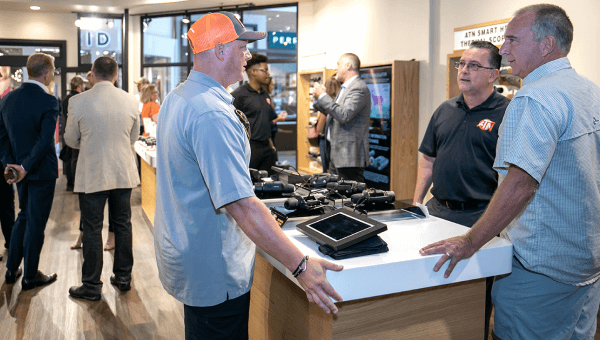
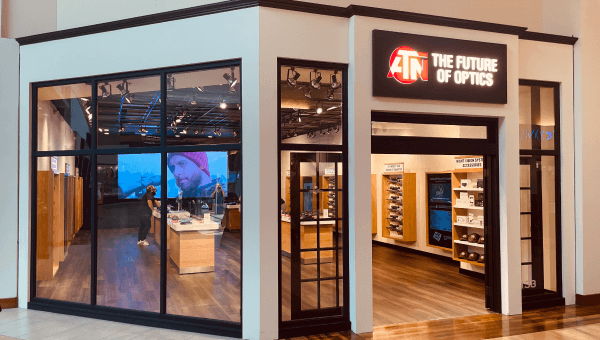
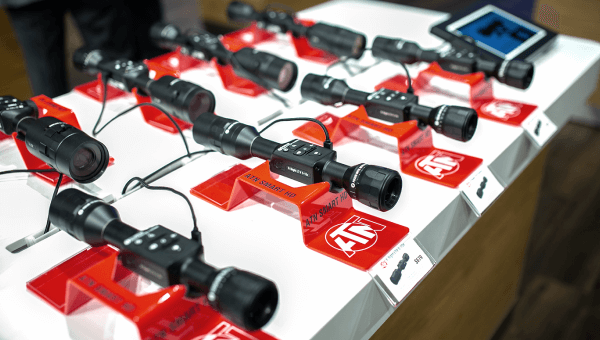
Dallas Store
3000 Grapevine Mills PWKY
Space #133 Grapevine, TX 76051
Chicago Store
GAT Guns Store 970 Dundee Ave
East Dundee, IL 60118


