When people search for a thermal and night vision scope, they are usually weighing two very different technologies and trying to pick the right ATN optic for the dark. Thermal reads heat and works in total blackness; classic night vision amplifies the faint light that is already there. This comparison sets two thermal ATN options side by side — the flagship ATN ThOR 6 640x512 3-24x against the value ATN ThOR 6 384x288 2.5-20x — and explains where thermal and true night vision each fit, so you know which ATN line to buy.
Thermal vs night vision at a glance
How thermal works
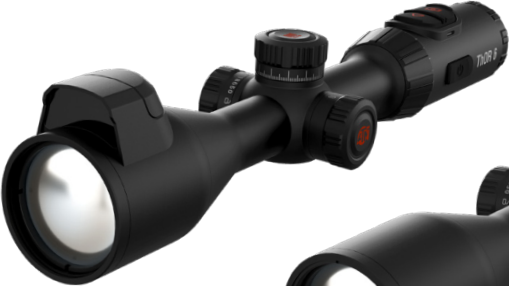
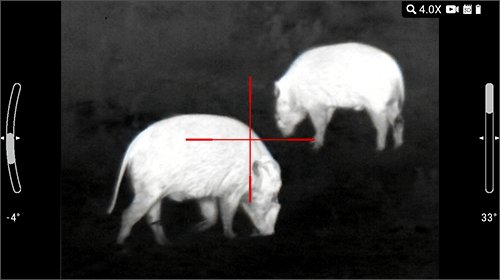
Thermal works by reading the infrared heat every object emits and turning it into a live image, so a warm animal glows against a cooler background even in complete darkness. It needs no ambient light at all, and it sees through light fog, smoke and brush that defeat the eye. Both scopes here are thermal: the ATN ThOR 6 640x512 3-24x and the ThOR 6 384x288 use a ≤15 mK sensor, meaning they detect tiny temperature gaps for a clean, high-contrast picture. The main difference between them is resolution and reach, not the underlying technology.
How night vision works
Classic night vision works by amplifying the small amount of existing light — starlight, moonlight or infrared illumination — into a visible image, usually the familiar green picture. It needs at least some light to work with and cannot see pure heat, so it struggles in total darkness or through smoke, but it can render fine detail and recognizable shapes when light is available. In ATN's catalog, that light-amplifying, day-and-night digital capability lives in the separate X-Sight line rather than in the thermal ThOR 6 scopes compared here. The takeaway: thermal detects presence and heat; night vision renders detail from available light.
When to choose the ATN ThOR 6 640x512 3-24x
Choose the ATN ThOR 6 640x512 3-24x when you need to find and identify game in genuine darkness at range. Its 640x512 sensor holds over 327,000 pixels behind a 50 mm lens and detects heat to 3650 m, so a hog or coyote stands out and can be positively identified far downfield — even on a black, moonless night when true night vision would have little light to amplify. This is the pick for the hunter whose priority is spotting and confirming warm targets across open ground.
When to choose the ATN ThOR 6 384x288 2.5-20x
Choose the ATN ThOR 6 384x288 2.5-20x when you want thermal's total-darkness advantage at mid-range without paying flagship price. Its 384x288 sensor still holds about 110,000 pixels and shares the same ≤15 mK NETD, so the image stays clean and animals read clearly at the distances most hunters shoot. You give up the longest-range detail of the 640, but for a value-minded hunter working mid-range ground, it delivers the core thermal experience.
Our recommendation
For the widest range of night hunting, our pick is the thermal ATN ThOR 6 640x512 3-24x, because thermal's ability to see heat in complete darkness at long range is the single biggest advantage after dark, and the 640 sensor makes the most of it. If budget leads, the ThOR 6 384x288 gives you the same total-darkness thermal capability at mid-range. And if what you truly want is light-amplifying night vision with day use, look to ATN's thermal scope range for heat-based shooting, or ATN's separate X-Sight digital day/night line for classic night vision — pick the technology that matches how dark your hunts really are.
How we compared them
We compared these two ATN thermal scopes on the factors that decide performance in the dark — sensor resolution, NETD, magnification, detection range, battery and weight — and framed them against the broader thermal-versus-night-vision question the keyword raises. We kept the comparison to current 6th-gen ATN hardware and were clear that true light-amplifying night vision is a different ATN category (the X-Sight line), not one of these thermal scopes.
Being upfront: this is an in-house comparison of ATN's own optics, not an independent lab test. Neither thermal scope is a light-amplifying night vision device, and thermal is not always the answer — if you specifically need to read fine detail in low light rather than detect heat, weigh a dedicated night vision optic instead. Match the technology and resolution to how you actually hunt.
Frequently Asked Questions
What is the difference between a thermal and a night vision scope?
A thermal scope reads the heat objects emit and works in total darkness, making warm animals glow against a cool background. A night vision scope amplifies existing light, needs at least some ambient light, and renders finer detail and recognizable shapes. Thermal detects presence; night vision shows detail from available light.
Are the ATN ThOR 6 scopes thermal or night vision?
Both the ThOR 6 640x512 3-24x and the 384x288 2.5-20x are thermal scopes — they read heat and work in complete darkness. ATN's light-amplifying, digital day/night night vision is a separate product line (the X-Sight), not part of the thermal ThOR 6 family.
Which is better for hunting in complete darkness?
Thermal, because it needs no ambient light at all and detects heat directly. The ATN ThOR 6 640x512 3-24x sees and identifies warm targets on a black, moonless night when classic night vision would have almost no light to amplify.
Which ThOR 6 should I buy if budget matters?
The ATN ThOR 6 384x288 2.5-20x. It shares the same ≤15 mK NETD and total-darkness thermal capability as the 640 at a value price, giving up mainly long-range detail. For mid-range hunting it delivers the core thermal experience for less.
Can one scope do both thermal and night vision?
These ThOR 6 scopes are thermal only. If you want both heat detection and light-amplifying detail, you would pair a thermal scope with a night vision optic, or choose ATN's separate X-Sight digital day/night line for light-based use. Decide based on whether darkness or fine low-light detail matters most to you.
Does thermal see through brush and fog?
Thermal cuts through light fog, smoke and thin brush better than the eye or night vision, because it reads heat rather than reflected light. It is not x-ray vision — solid cover still blocks it — but a warm animal partly screened by grass or haze is far easier to detect with thermal.
If your hunts happen in real darkness and you need to find and identify heat, thermal is the answer — and the ATN ThOR 6 640x512 3-24x leads with high resolution and long reach, while the 384 covers mid-range for less. Want light-amplifying night vision instead? That is a different ATN line. Compare the thermal options on the ATN thermal scope page and choose the technology that matches how dark your nights really get.
Created: August 10, 2026 · 10:05:21 UTC