This guide outdoor thermal binoculars walkthrough is for anyone who wants comfortable, two-eyed heat vision for scanning the outdoors - and wants to understand how it works before buying. Thermal binoculars show warm animals glowing against cool terrain, day or night, without any light. We'll use the ATN Binox-6 640x512 as the example, because its high-resolution sensor makes it a strong outdoor observation tool.
Thermal binoculars are a two-eyepiece heat-imaging device for scanning the outdoors in any light. Unlike a single-tube monocular, they let you keep both eyes open for relaxed, patient glassing, and a high-resolution model like the ATN Binox-6 640x512 keeps distant animals sharp - making it a spotting and observation tool, not a rifle sight.
What are outdoor thermal binoculars?
Outdoor thermal binoculars are a handheld device with two eyepieces that turns heat into a picture you view with both eyes. They read the infrared energy every warm object gives off and show animals as bright shapes against a cooler background, so you can scan fields, tree lines, and hillsides and instantly see what's alive. The two-eyed design is the key difference from a monocular: keeping both eyes open is more comfortable and less fatiguing over a long session, which matters when outdoor scanning can stretch for hours.
How do thermal binoculars work outdoors?
- The sensor reads heat. A thermal core detects the temperature difference between an animal and its surroundings - no light needed, day or night.
- It builds a picture for both eyes. The image is presented to two eyepieces, so you view it relaxed and steady rather than squinting through one tube.
- You scan slowly and wide. Sweep the terrain in a steady arc at low zoom, pausing to let your eyes read each section.
- You spot the anomaly. A glowing shape that doesn't fit the background - a bedded deer, a hog on a field edge - stands out immediately.
- You zoom to confirm. Push the magnification to check the shape and behavior, then decide how to proceed.
What can you use outdoor thermal binoculars for?
- Scanning and scouting - finding game and learning movement patterns without disturbing anything.
- Wildlife observation - watching animals at night for hours in comfort with both eyes.
- Tracking and recovery - following heat to locate a moving or downed animal.
- Property and land checks - walking fields and fence lines to spot livestock or predators after dark.
- Day-and-night use - thermal works around the clock, so binoculars serve dawn, dusk, and full dark alike.
Binoculars vs a monocular outdoors
The main advantage of binoculars outdoors is comfort over time. For a quick look, a monocular is lighter and cheaper; for long, patient glassing, two eyepieces reduce eye strain and let you scan more carefully, which finds more game. A high-resolution binocular like the Binox-6 640 also gives you the detail to identify what you spot far out, where a lower-resolution device would leave you guessing.
Key features to understand
- Sensor resolution (640x512) - more dots in the picture, so distant shapes stay sharp when you zoom; a 640 reads game more clearly than a 384.
- NETD (under 15mK) - thermal sensitivity; a lower number pulls faint heat from a mild background.
- Magnification (3-24x) - low power to scan wide, higher power to confirm what you found.
- Detection range - how far off you can pick up heat; more range means earlier awareness of distant animals.
- Battery and weight - a comfortable body you can hold for a long session, with enough runtime for an evening out.
What to look for before buying
- Match resolution to your distances. For long outdoor identification, choose a 640 like the Binox-6 640.
- Prioritize comfort. Binoculars shine on long sessions, so weight and eyepiece comfort matter.
- Check the zoom range. A useful spread lets you scan wide and still confirm at distance.
- Confirm the battery covers your outing. Around eight hours suits an evening of glassing.
Common mistakes outdoors
- Scanning too fast. Move slowly and pause; faint heat is easy to skip past in a rushed sweep.
- Glassing at max zoom. Cover ground at low power, then zoom only to identify.
- Ignoring conditions. Warm, humid nights lower contrast, so slow down and switch palettes.
- Treating binoculars as a sight. They're for observing and finding, not aiming - use a rifle optic to shoot.
Example: the ATN Binox-6 640x512
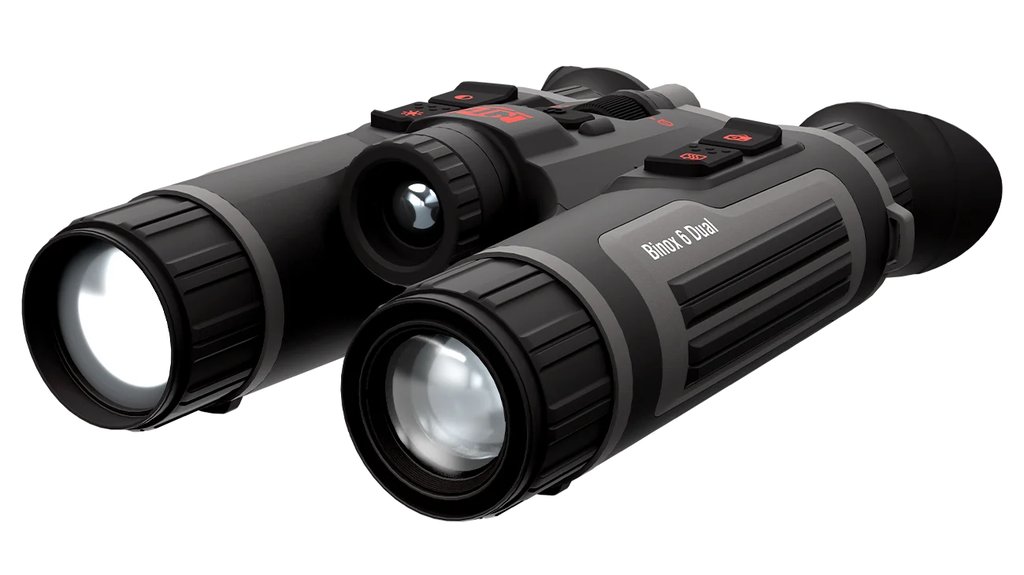
The ATN Binox-6 640x512 is a strong worked example of an outdoor thermal binocular. Its high-resolution 640 sensor keeps distant animals identifiable when you zoom, a NETD of 15mK or better pulls faint heat from cool terrain, and the 3-24x range covers wide scanning up to distant confirmation. Detection reaches around 3,100 meters, the battery runs about eight hours for a full evening, and at roughly 730 grams it stays comfortable in the hands. It sits in ATN's thermal binoculars lineup as the higher-detail outdoor observation choice.
Are outdoor thermal binoculars worth it?
They're worth it if you spend real time scanning and observing outdoors. Two-eyed comfort makes long sessions far more pleasant and more productive, and a high-resolution model lets you identify game at distance rather than just detect it. If you only ever take a quick look, a monocular may be enough - but for patient outdoor glassing, a good pair of thermal binoculars quickly becomes the tool you reach for.
Frequently Asked Questions
What are outdoor thermal binoculars used for?
They're a two-eyed heat scanner for finding and observing warm animals outdoors in any light. You use them to scan terrain, identify game at distance, and track or recover animals - as a spotting tool, not a rifle sight.
How are thermal binoculars different from a monocular?
Binoculars have two eyepieces, so you keep both eyes open for more comfortable, patient scanning over long sessions. A monocular is lighter and cheaper for quick looks but more tiring for extended glassing.
Is the ATN Binox-6 640 good for beginners?
Yes. Its high-resolution sensor makes identifying game straightforward, and the two-eyed view is easy and comfortable to use, which is exactly what a new user wants for outdoor scanning.
Can thermal binoculars see through brush outdoors?
They detect heat through light cover like grass and thin brush that hides animals from the naked eye, but not through solid objects. A warm animal partly screened by vegetation often still shows as heat.
Do thermal binoculars work in daylight?
Yes. Thermal reads heat, not light, so it works around the clock. Binoculars are useful at dawn, dusk, and in full darkness alike for spotting warm animals against cooler terrain.
What resolution should outdoor binoculars have?
For long-range identification, choose a 640 sensor like the Binox-6 640's, which holds detail at zoom. A 384 works for closer scanning but shows less detail on distant animals.
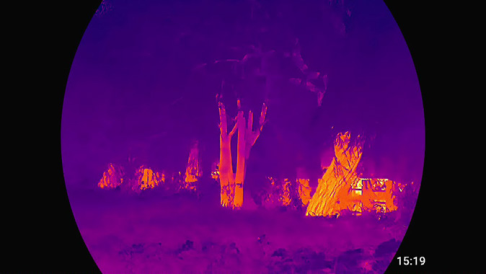
Quick reference specsATN Binox-6 640x512 3-24x: 640x512 sensor, NETD under 15mK, 3-24x magnification, detection ~3,100 m, ~8 hour battery, ~730 g, two-eyepiece design. Best used as a handheld outdoor observation and scanning binocular, day or night.
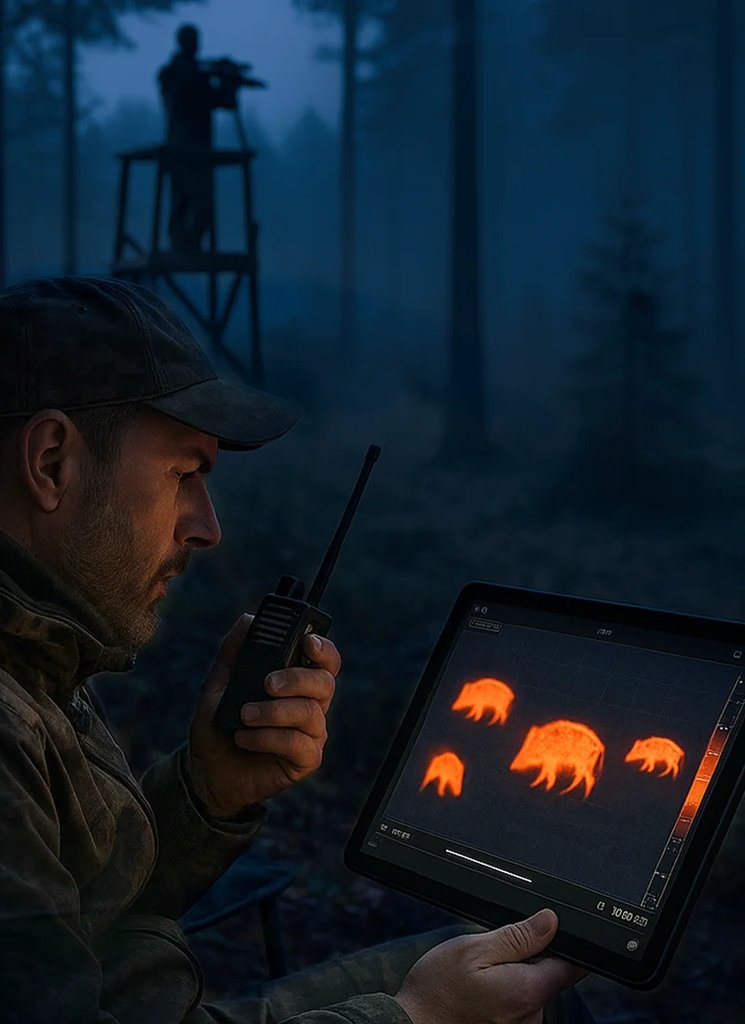
If you glass the outdoors for hours, do it with both eyes. See the ATN Binox-6 640x512 and browse the full ATN thermal binoculars lineup to match resolution and comfort to how you scan. Learn slow, deliberate sweeps, and you'll observe far more of the outdoors than the naked eye ever shows.
Created: July 8, 2026 · 09:02:56 UTC