Our Best Night Vision Binoculars in 2023
Night vision binoculars have become a necessary tool for various outdoor and professional activities. These devices provide the ability to see in low light conditions and even total darkness, proving useful in a wide range of scenarios. Whether it's for wildlife observation, hunting, or security purposes, the best night binoculars can greatly enhance your effectiveness in these fields.
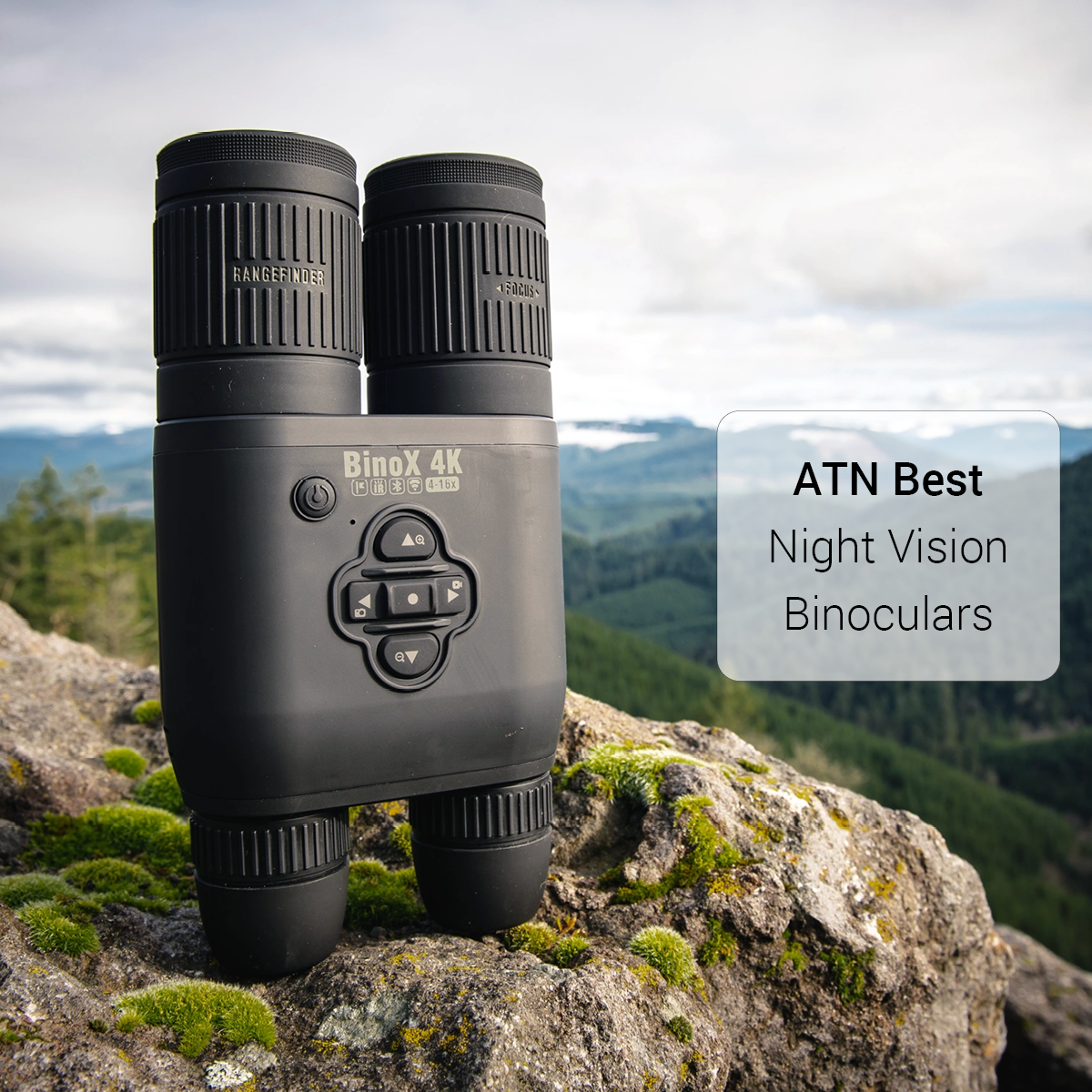
Using advanced technology, night vision binoculars convert the unseen into the visible. They can turn the challenges of darkness into opportunities, giving users a significant advantage. This isn't merely about owning a high-tech gadget—it's about expanding capabilities and maximizing efficiency in low-light conditions.
As we delve further into this topic, we'll explore some of the top night vision binoculars available in 2023. We will look at their features, uses, and advantages, helping you understand what makes these devices a worthy addition to your gear. Your ability to operate in low-light situations is about to improve significantly.
The Need for Night Vision Binoculars
In our fast-evolving world, where technology advancements continually redefine limits, the demand for tools that enhance our capabilities has never been more pronounced. One such technological marvel that has gained substantial traction in recent years is the night vision binoculars, particularly the best infrared binoculars.
Night vision binoculars, designed to amplify the limited light available in dark environments, have revolutionized many fields, especially those involving night-time activities. Let's take a look at some of the situations where these devices are not just advantageous but almost necessary.
Firstly, outdoor enthusiasts and wildlife observers benefit enormously from night vision binoculars. Many animals are nocturnal, their activities peaking during the night when most humans are at a disadvantage. Owning a pair of night vision binoculars enables enthusiasts to observe and study these creatures without disturbing their natural behavior, capturing details that would otherwise be invisible.
Secondly, hunters can significantly enhance their success rate with night vision technology. Hunting during the twilight or nighttime hours presents a unique set of challenges, many of which can be mitigated using night vision binoculars. By illuminating the unseen, hunters gain a tactical advantage and ensure a more humane and precise hunt.
In the realm of security and surveillance, night vision binoculars are invaluable. They allow security personnel to monitor areas effectively during the night, ensuring safety and responding promptly to any potential threats. The best infrared binoculars can provide clear images even in complete darkness, which is crucial in security operations.
Lastly, night vision binoculars are an excellent addition for adventurous travelers and campers. Navigating unfamiliar terrains after dark can be risky and challenging. With a pair of nv binoculars, one can scout ahead, avoid dangers, and appreciate the nocturnal beauty of nature.
In conclusion, the significance of owning night vision binoculars in 2023 cannot be overstated. The advantages they offer across a wide range of scenarios make them an investment worth considering, regardless of your specific interest or profession. By extending our vision beyond the usual, they allow us to explore, observe, and operate more effectively in the dark.
Key Features to Consider in Night Vision Binoculars
When considering purchasing night vision binoculars, it's crucial to understand the different features and specifications that can make a significant impact on their functionality and overall performance. Selecting the right pair of binoculars that cater to your specific needs will ensure that you can make the most of your investment. Here, we discuss some essential factors to keep in mind when choosing the best night vision binoculars:
- Type of Night Vision Technology. There are two main types of night vision technology: image intensification and thermal imaging. Image intensification binoculars amplify existing light (including infrared light) to create a visible image. In contrast, thermal imaging binoculars detect heat signatures emitted by objects, which are then processed into a visible image. Consider the type of night vision technology that would best serve your intended application.
- Magnification. The magnification power of binoculars is a crucial factor when observing objects from a distance. A higher magnification allows you to see further, but it might also reduce the field of view. Choose a magnification level that is suitable for your intended activities.
- Image Quality. The clarity and detail of the images produced by night vision binoculars are essential for a satisfactory user experience. Higher image quality often translates to better performance in terms of recognition, identification, and tracking. Image quality is influenced by factors such as resolution, sensitivity, and signal-to-noise ratio. Look for binoculars that offer a balance of these attributes to ensure optimal image quality.
- Battery Life. Night vision binoculars rely on batteries for power, and their battery life can vary significantly. Longer battery life allows for extended usage without the need to frequently recharge or replace batteries. It's important to consider the battery life of your binoculars, especially if you plan on using them for extended periods.
- Size and Weight. The size and weight of the binoculars are essential factors to consider, particularly if you plan on carrying them for extended periods. Lighter and more compact binoculars can be more comfortable to use and transport, while heavier models might offer better stability and performance. Choose a size and weight that suits your preferences and intended activities.
- Durability and Weather Resistance. The durability of your night vision binoculars is crucial, especially if you'll be using them in harsh or demanding conditions. Look for models with rugged construction and weather-resistant features to ensure they can withstand rough handling and adverse weather conditions.
By carefully considering these key features and specifications, you'll be better equipped to choose a pair of night vision binoculars that meets your specific requirements and expectations. Each of these factors plays a significant role in the functionality and performance of the binoculars, so it's essential to weigh your options carefully before making a decision.
Review of Our Top Pick: ATN BinoX 4K 4-16x Night Vision Binoculars
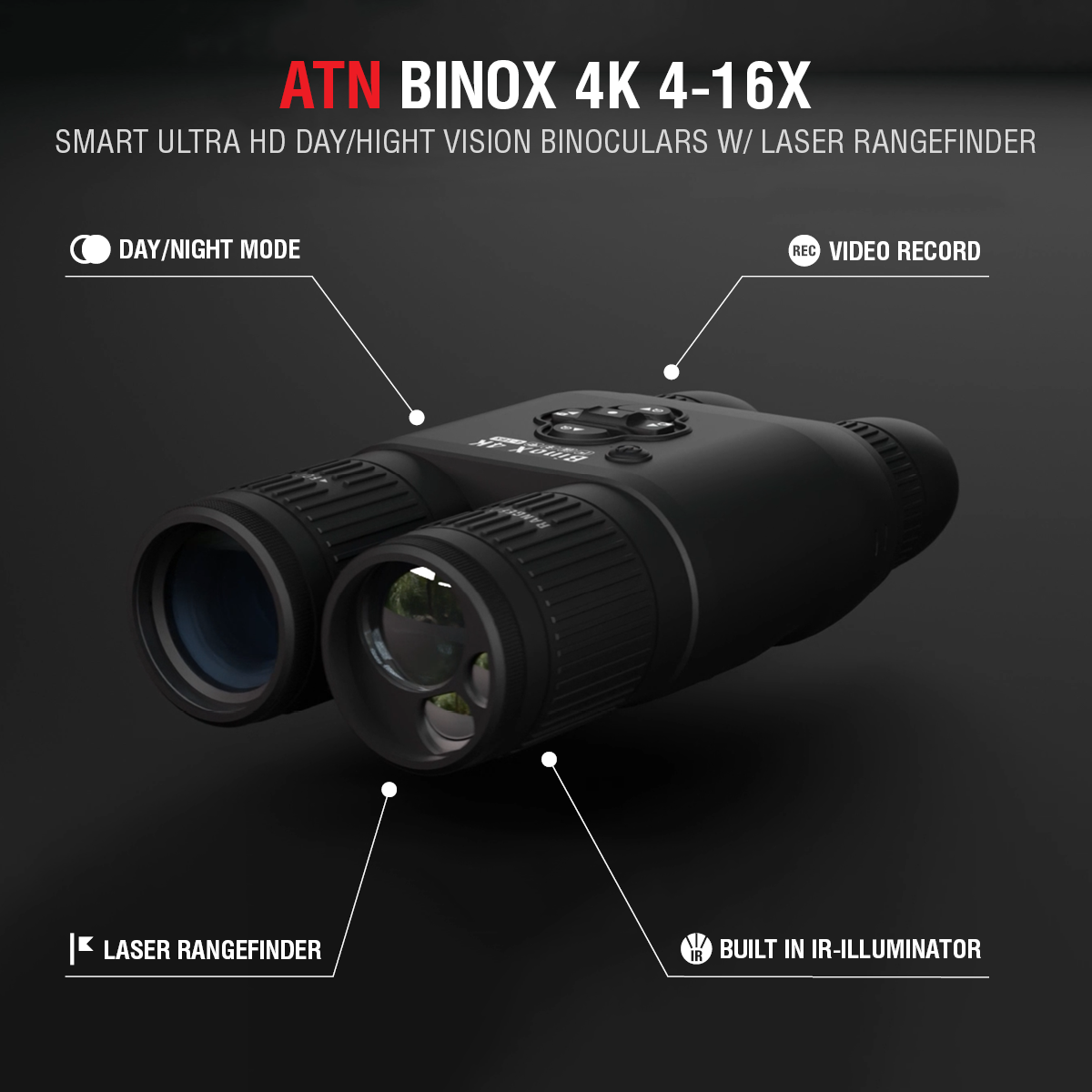
The ATN BinoX 4K 4-16x Night Vision Binoculars are a remarkable piece of technology, standing tall among the best night vision binoculars for the money available in 2023. These binoculars bring together high-resolution imaging, advanced night vision capabilities, and several other outstanding features, all housed within a rugged and durable design. Let's delve into the product's key features and understand what sets it apart from other alternatives on the market.
Key Features:
- Digital Binoculars. As digital binoculars, the ATN BinoX 4K 4-16x brings to the table a host of features that traditional optical binoculars don't offer. With in-built Wi-Fi, users can live stream their view or record and store it for later use, allowing for the documentation of observations and experiences in unprecedented detail.
- Magnification. The binoculars provide a magnification range from 4 to 16x, which is versatile enough to accommodate a variety of viewing needs, from close observation to long-distance scouting.
- Image Quality. The binoculars' 4K sensor and dual-core processor ensure high-resolution imaging both during the day and night. Even in low-light conditions, the image quality is excellent, offering clear and sharp images.
- Infrared Technology. The ATN BinoX 4K 4-16x employs a powerful infrared illuminator that allows it to capture vivid images in total darkness. This makes the binoculars ideal for a wide range of night-time activities, from night hunting to wildlife observation and security.
- Battery Life. The ATN BinoX 4K 4-16x boasts a commendable battery life. With up to 15 hours of continuous use, it outperforms many competitors in this aspect, enabling extended night-time ventures without worrying about battery drain.
Despite its numerous strengths, the ATN BinoX 4K 4-16x Night Vision Binoculars are not without a few potential shortcomings. For instance, some users might find the device somewhat bulky and heavy for extended periods of use. Moreover, while the digital features offer many benefits, they also mean that the binoculars have a learning curve that may not suit everyone, particularly if you are accustomed to traditional binoculars.
Pros:
- High-resolution imaging with 4K sensor.
- Powerful infrared illuminator for clear night vision.
- Long battery life for extended use.
- Digital features like live streaming and recording.
- Robust and durable construction.
- Day and Night use.
- Built-in Laser Rangefinder.
Cons:
- Might be bulky and heavy for some users.
- Digital features may require some time to get used to.
In conclusion, the ATN BinoX 4K 4-16x Night Vision Binoculars offer a robust feature set that makes them stand out as one of the best night vision binoculars for the money in 2023. They are versatile, powerful, and equipped with features designed to enhance your viewing experiences significantly. Whether you're a seasoned hunter, wildlife observer, or looking for added security during the night, the ATN BinoX 4K 4-16x is a worthy contender for your consideration.
Advancements in Night Vision Technology in 2023
In 2023, advancements in night vision technology have continued to evolve, reshaping the functionality and performance of night vision binoculars. In a rapidly progressing tech landscape, manufacturers are consistently innovating to deliver improved image quality, better power efficiency, and more advanced features to enhance the user experience.
One significant trend is the continued move towards digital night vision technology. Digital night vision binoculars, like the ATN BinoX 4K 4-16x, are increasingly popular due to their versatile features such as live streaming, recording, and the ability to switch between day and night modes. They use digital signal processing instead of an image intensifier tube, which can offer high-resolution images, better power efficiency, and a more robust design.
Moreover, the integration of smart features into night vision binoculars is another critical trend. These may include compass, and even smartphone connectivity, allowing users to map their environment, track their route, or share their views in real-time. The use of AI technology is also becoming more prominent, with features such as object recognition, automatic focusing, and image optimization becoming increasingly available.
Another advancement worth noting is the development of fusion technology, which combines image intensification and thermal imaging in one device. This approach allows users to benefit from the strengths of both technologies, offering a clear and detailed view regardless of lighting conditions.
As we look towards the future, we can expect these trends to continue, leading to more advanced, versatile, and user-friendly night vision devices. Manufacturers will likely keep refining the image quality and range, extending battery life, and reducing the size and weight of these devices. Additionally, with the growing trend towards more integrated digital and smart features, the line between night vision binoculars and other smart devices will continue to blur. This integration promises to provide users with an even more immersive and interactive viewing experience.
In summary, the advancements in night vision technology in 2023 are making night vision binoculars more powerful, versatile, and user-friendly. As this technology continues to evolve, users can expect to see night vision devices that offer even better performance and an expanding range of features.
Conclusion
In conclusion, night vision binoculars have proven to be essential tools for a variety of activities, allowing users to navigate and observe in low-light conditions and darkness. When considering the options available in 2023, the ATN BinoX 4K 4-16x stands out as a strong contender. Its digital binocular design, versatile magnification, impressive image quality, powerful infrared technology, extended battery life, and reasonable range make it a noteworthy choice.
The ATN BinoX 4K 4-16x offers a range of features that enhance the user experience, including live streaming, recording capabilities, and smartphone connectivity. These features provide users with added convenience and versatility in their night vision endeavors.
By investing in the ATN BinoX 4K 4-16x, users can expect a high-performance device that delivers clear and detailed vision in both day and night scenarios. Its reliability and advanced functionality make it suitable for a range of applications, from wildlife observation to hunting and security operations.
If you are in search of a night vision binocular that offers exceptional value for the money, we recommend considering the ATN BinoX 4K 4-16x. With its impressive features and competitive pricing, it is a compelling choice for those seeking to enhance their night vision capabilities.