Calling coyotes means watching a wide arc for a dog that slips in from anywhere, often close and fast. A cheap monocular with a narrow, high-zoom view will miss that dog at the edge of the frame. For the best cheap thermal monocular for coyote hunting, the ATN BlazeSeeker 6 1.2-9.6x is the value pick: a pocketable budget scanner with a wide 1.2x low end that catches a committing coyote across your whole field of view.
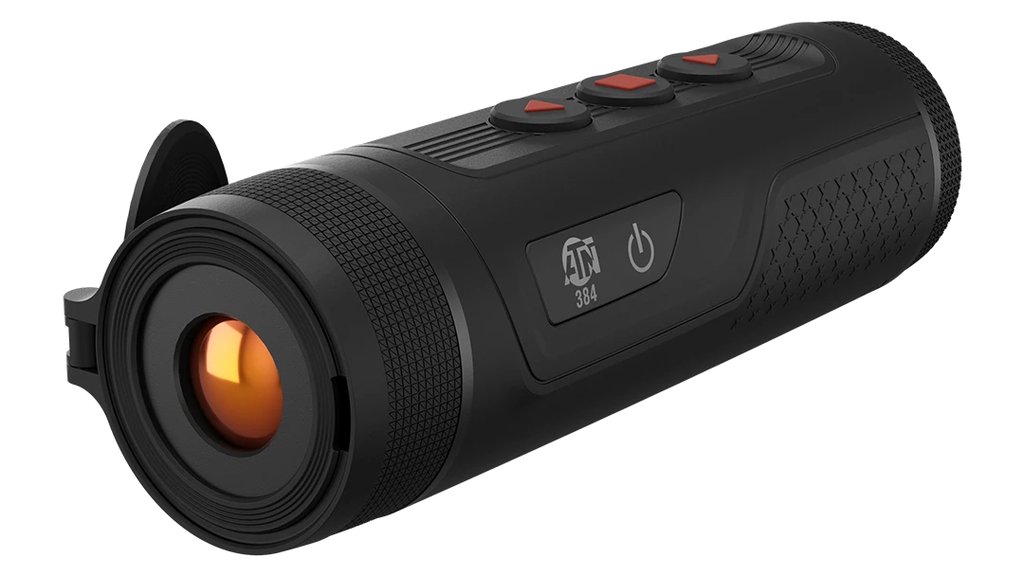
Best cheap with more reach: ATN BlazeSeeker 6 1.7-13.6x - the higher-zoom budget variant for confirming farther out.
Best step up: ATN BlazeTrek 6 384x288 - more sensor and detection for callers who scan bigger country.
Why the BlazeSeeker 6 is a smart cheap coyote scanner
The BlazeSeeker 6 is a smart cheap coyote scanner because it keeps a real thermal sensor and, in the 1.2-9.6x variant, the widest low-end view in the budget line. A coyote responding to a call can appear anywhere in a wide arc and often comes in fast, so a broad field of view is what lets you catch it working in rather than losing it just outside a narrow frame. The 256 sensor reads heat with a NETD of 20mK or better - the measure of how faint a temperature difference it can see - so a dog separates from cool ground, and at 270 grams the unit rides in a pocket until you need it.
For calling specifically, portability and a wide view beat raw magnification. You want a light scanner you can lift one-handed while you work a call, sweep a wide arc, and catch movement early. The BlazeSeeker 6's low 1.2x start gives you that broad picture, and its 9.6x top end still lets you push in to confirm a dog before you shoulder your rifle. That's exactly the balance a coyote caller wants in an affordable spotter.
Best cheap coyote scanner: ATN BlazeSeeker 6 1.2-9.6x
The ATN BlazeSeeker 6 1.2-9.6x is the value scanner for callers. Its wide 1.2x low end covers the broadest arc so a coyote committing from the side doesn't slip past unseen, the 256 sensor detects the dog against cool ground, and the 9.6x top end lets you confirm before the shot. At 270 grams it's pocketable and easy to run one-handed while you call - the affordable spotter that fits how coyote hunting actually works.
Why a wide view wins on called coyotes
A responding coyote reads the wind and circles, so it can appear anywhere across a wide front and close quickly. The 1.2x low end takes in that whole arc at a glance, so you catch the dog early and get ready, where a narrow high-zoom scanner would leave you searching while the coyote slips in or out.
Who it's for - and who it's not
It's for the caller who wants an affordable, pocketable scanner with a wide view for catching close-to-mid coyotes. It's not the pick for reading dogs at the very longest range across big open country - that calls for a higher-resolution monocular with more detection distance.
Best cheap with more reach: ATN BlazeSeeker 6 1.7-13.6x
The ATN BlazeSeeker 6 1.7-13.6x is the same budget scanner with a higher-zoom range. It gives up a little low-end width for a 13.6x top end and slightly more detection, so it confirms a coyote a bit farther out. For a caller who hunts more open ground and wants extra reach without leaving the budget tier, it's the alternative pick.
Best step up: ATN BlazeTrek 6 384x288
The ATN BlazeTrek 6 384x288 is the move if your calling stands are big and open. Its 384 sensor shows more detail, and detection roughly doubles to around 1,000 meters, so you spot and read dogs farther out. It costs more and steps out of the budget tier, but for callers working large country the extra sensor and range are worth it.
Getting the most from a budget coyote scanner
Use the wide view the way calling demands. Keep the monocular at its low 1.2x setting while you work the call and sweep the whole arc slowly, pausing to let your eye read each section, and only zoom to 9.6x once a warm shape appears and you need to confirm it. Scan the downwind side hardest, because that's where a cautious coyote will try to circle and check your scent - and where you'll spot it first.
Manage the little things that stretch a cheap sensor's reach. Run a quick manual calibration whenever the picture turns grainy, keep the lens clean, and hunt the cool, dry nights that give the best contrast so a dog pops against the background. Keep a fresh battery in the unit and a spare in a warm pocket, and practice lifting and reading the monocular one-handed so it never slows down your call sequence. Small habits like these turn a budget scanner into a reliable coyote-finder.
How to choose a cheap coyote monocular
Choose for the wide view and portability calling rewards, then match reach to your stands. A budget scanner is a smart buy when it fits how you hunt.
- Low-end magnification - a wide 1.2x start catches a committing coyote across the whole arc.
- Weight - a pocketable, one-handed unit keeps your call sequence smooth.
- Sensor and NETD - a real thermal sensor separates a dog from cool ground.
- Detection range - match it to your stands; more range suits bigger, open country.
- Battery life - a full evening of runtime for a night of multiple stands.
Reading a stand with a budget scanner
A wide-view budget scanner rewards a deliberate way of working a calling stand. Before you even start the sequence, sweep the whole area once at the low 1.2x setting to learn where heat sits naturally, then keep the monocular ready as you call, checking the downwind side most often because that is where a cautious coyote will try to circle and scent-check you. When a warm shape appears, zoom to 9.6x just long enough to confirm it is a dog and read which way it is moving, then get on your rifle. The wide view is what buys you the seconds to do all of that before the coyote commits or leaves.
Squeeze every yard of reach out of a small sensor with good habits. Run a quick manual calibration whenever the picture turns grainy, keep the lens clean, and hunt the cool, dry nights that give a coyote the sharpest contrast against the background. Keep a fresh cell in the unit and a spare warm in a pocket, and practice lifting and reading the monocular one-handed so it never interrupts your call. None of this costs money - it just turns an affordable scanner into one that consistently finds dogs other hunters miss.
A cheap scanner is one of the best-value additions a coyote caller can make, because finding the dog is most of the battle. Even a budget thermal reveals a coyote slipping in that you would never catch with the naked eye or a light, and it does so without the beam that would flare a wary dog and end the stand. Spend a few nights learning how a coyote reads on the sensor, and the BlazeSeeker 6 quickly becomes the first thing you reach for.
How we picked these ATN monoculars
We considered only ATN's current 6th-generation monoculars and judged the budget options for coyote calling specifically. The criteria were low-end field of view for catching a committing dog, weight for one-handed use, sensor resolution and NETD, detection range, and battery - weighed for how callers actually watch a stand rather than long-range identification. The honest trade-off is width and portability for reach: the BlazeSeeker 6 is affordable and wide but doesn't read dogs at the longest range like a higher-resolution unit. This is an in-house comparison of ATN's own monoculars, not an independent lab test, so match the pick to your stands.
Frequently Asked Questions
What is the best cheap thermal monocular for coyote hunting?
The ATN BlazeSeeker 6 256x192 1.2-9.6x. Its wide 1.2x low end catches a committing coyote across the whole arc, it detects heat with a real sensor, and at 270 grams it's pocketable and easy to run one-handed while you call.
Why does a wide view matter for calling coyotes?
A responding coyote circles and can appear anywhere across a wide front, often close and fast. A wide low-end view catches it working in, where a narrow high-zoom scanner would miss a dog at the edge of the frame.
Is a 256 sensor good enough for coyotes?
For close-to-mid calling distances, yes. The 256 BlazeSeeker 6 detects and, with its zoom, confirms coyotes at practical ranges. For reading dogs at the longest distances, step up to a 384 sensor like the BlazeTrek 6.
BlazeSeeker 6 1.2-9.6x or 1.7-13.6x for coyotes?
Choose the 1.2-9.6x for the widest view to catch a close, committing dog. Choose the 1.7-13.6x if you hunt more open ground and want extra zoom to confirm coyotes a bit farther out.
Can I use the monocular to aim?
No, it's a scanner for finding and confirming coyotes, not a rifle sight. Spot and identify the dog with the monocular, then shoulder your rifle and use your scope to make the shot.
How do I get the most reach from a budget scanner?
Run a quick calibration when the picture turns grainy, keep the lens clean, and hunt cool, dry nights for the best contrast. Scan the downwind side hardest, since that's where a cautious coyote circles in.
Can I record what I see on the BlazeSeeker 6?
Yes. The 6th-gen Blaze line supports capture and app connectivity, so you can save your scans and review them later to learn how coyotes read on the sensor and refine your stands.
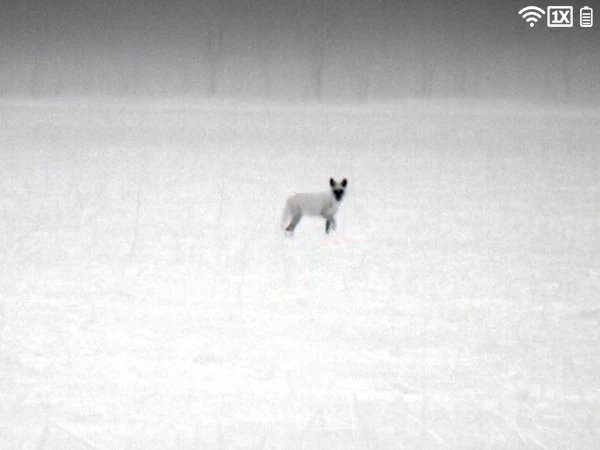
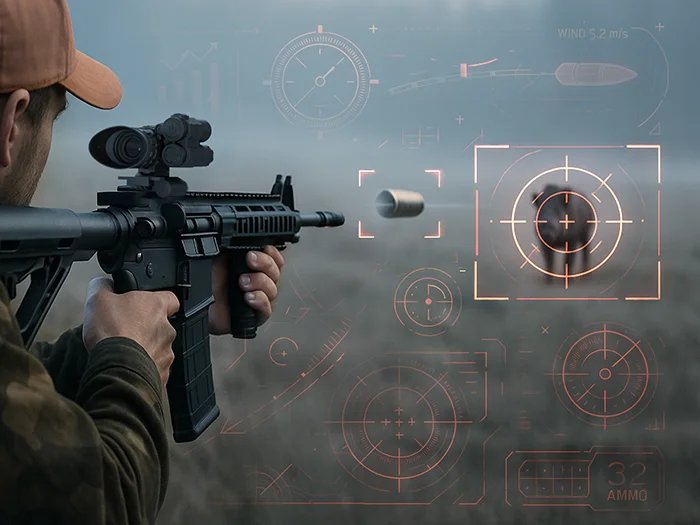
Catch the dog that circles in from the side. See the ATN BlazeSeeker 6 1.2-9.6x and browse the full ATN thermal monocular lineup to match view and reach to your stands. Keep it wide, scan the downwind side, and you'll see coyotes committing long before they're in your lap.
Created: July 8, 2026 · 09:58:23 UTC