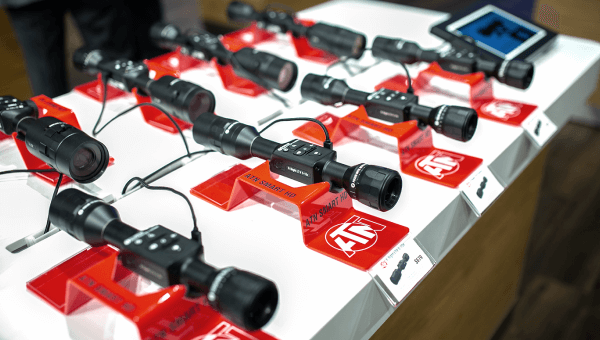
How Night Vision Works: Illuminating the Dark
In the realms of science fiction and military operations, the concept of night vision has always been portrayed as a technological marvel. However, the underlying mechanics of night vision are rooted in basic physics and ingenious engineering. At its core, night vision works by taking in minimal available light from sources like the moon, stars, or even distant artificial sources and amplifying it. This amplified light is then translated into an image that our eyes can perceive.
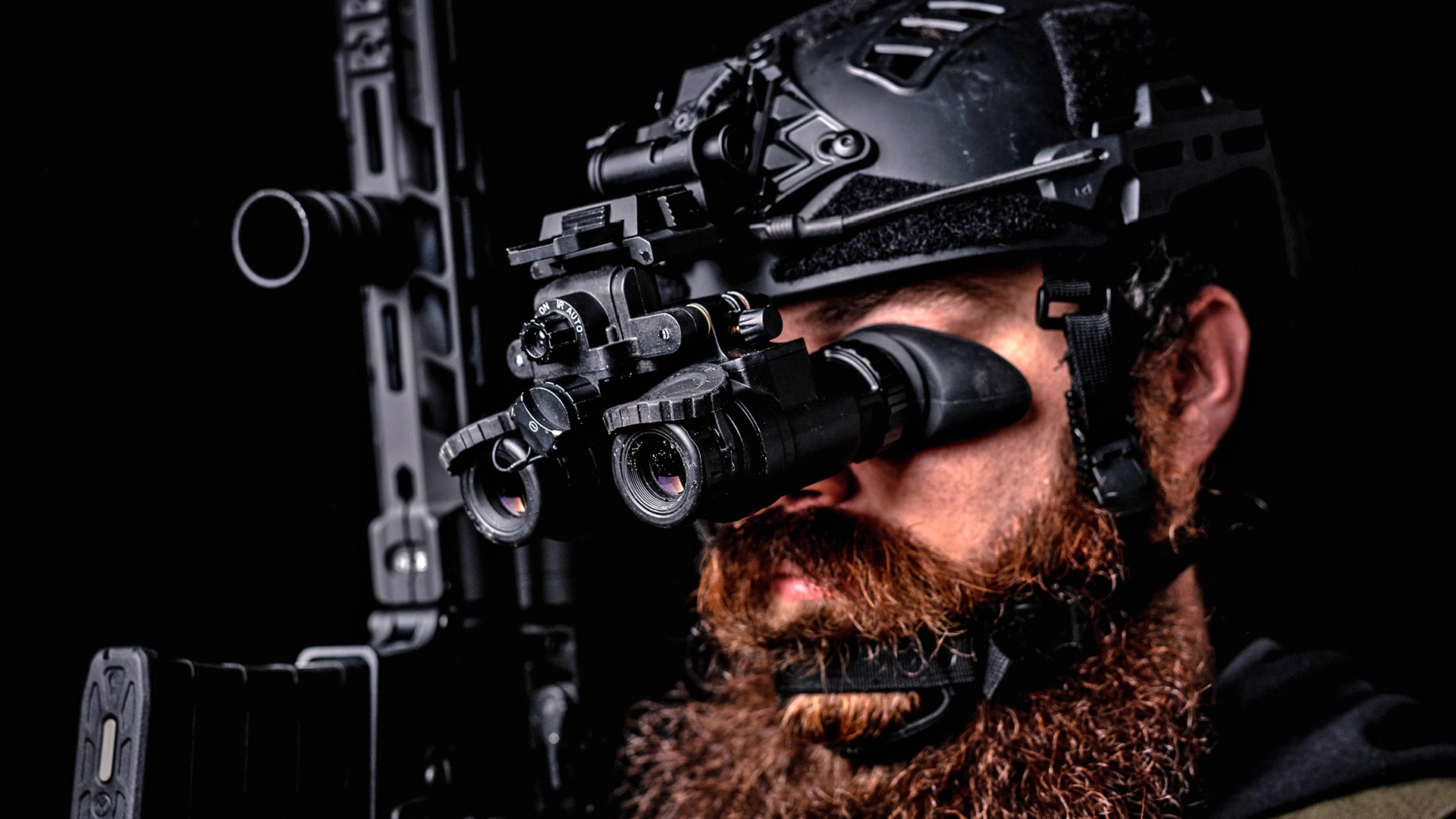
The technology's essence lies in the use of a special tube called a photomultiplier tube. Incoming photons, or light particles, collide with a photosensitive surface inside this tube, releasing electrons. These electrons are then amplified multiple times, producing a cascade of more electrons. This electron deluge strikes a phosphor screen at the end, producing a visible image. In the absence of natural light, these devices can also rely on infrared light sources to illuminate the scene.
1st Generation Night Vision
The pioneering stage of night vision technology, 1st generation devices, primarily relied on ambient light and were significantly amplified to produce images. While functional, they presented a somewhat blurry and narrow field of view. They were also bulkier compared to the advancements that followed. They were extremely expensive when introduced but became very affordable to civilians after new generations were invented.
2nd Generation Night Vision
With the introduction of the microchannel plate (MCP), the 2nd generation marked a notable leap in night vision capabilities. The MCP sits between the photomultiplier tube's emitter and detector, amplifying the electron cascade even further. This resulted in clearer, brighter images with less distortion compared to their predecessors.
3rd Generation Night Vision
The hallmark of the 3rd generation is the addition of gallium arsenide to the device's photocathode. This change significantly increased the device's photo response, producing even brighter and sharper images. An ion barrier film was also added to the MCP, increasing the tube's life and reliability.
4th Generation Night Vision
Deemed the pinnacle of night vision technology, the 4th generation removed the ion barrier film from the 3rd generation, resulting in an even higher signal-to-noise ratio. This generation produces the clearest and brightest images, especially in extremely low-light conditions. They come with a hefty price tag, but their unmatched clarity and performance justify the cost.
WPT and autogated function
ATN continues to research new and more sophisticated technologies. ATN's White Phosphor Technology© is a new development of traditional night vision technology. Extensive studies have revealed that nighttime scenes appear remarkably more natural when viewed in black and white, as opposed to the traditional green. The B&W display offers clearer visual information about contrast, shapes, and shadows. With ATN's White Phosphor Technology©, users can now experience the benefits of this natural black and white night vision image.
One of the most vulnerable part for traditional night vision devices is the harm of bright light. To prevent damaging devices from bright ligh ATN use autogate technology in all 3+ Gen devices. It means that customer can no longer be afraid to use night vision goggles during the bright light or sunny day.
Green Light vs. Digital Night Vision: The Debate
Traditional night vision devices cast images in a phosphorescent green hue, while digital night vision captures and processes images much like a digital camera, presenting them in black and white or other color palettes. The green glow in traditional devices is due to the phosphor screen's color, chosen for a reason: the human eye can differentiate more shades of green than any other color, allowing for greater image detail.
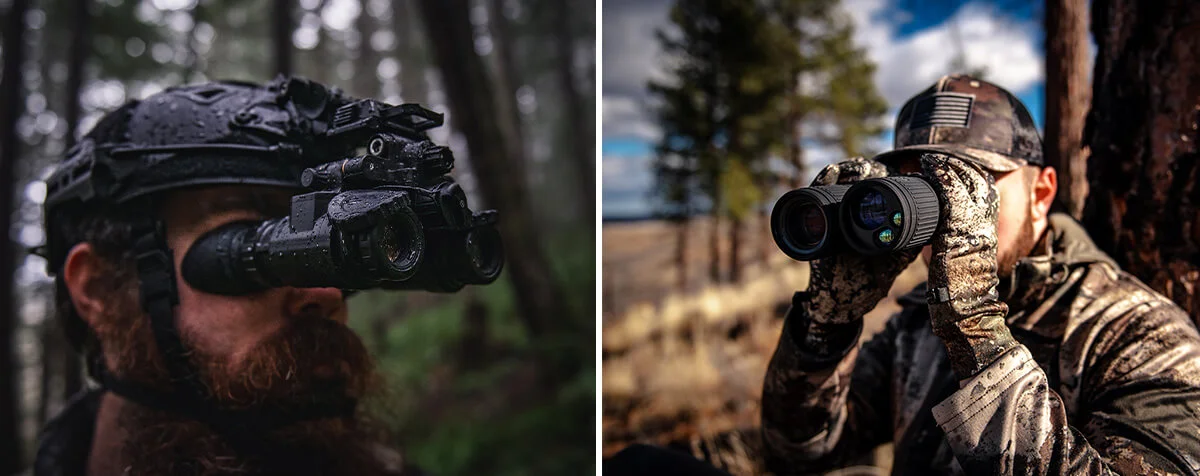
Digital night vision, on the other hand, provides some advantages. These devices can record video, link to external devices, and often come at a more affordable price point. However, their image quality in extremely low-light conditions ,without using special accessories such as IR-light , might not match up to their green-glowing counterparts. Another critical distinction is resilience. Traditional green night vision devices can be damaged if exposed to bright light, while digital versions are generally more forgiving.
Green Light Night Vision:
Pros: Green light night vision provides a more natural and pleasing visual experience due to its similarity to human eyesight. It offers better contrast and depth perception, making it ideal for navigation and spotting objects in the dark.
Cons: Green light night vision can cause eye fatigue over extended use, especially when operating in bright environments. It may also have limitations in extreme low-light conditions where a brighter image is required.
Digital Night Vision:
Pros: Digital night vision offers versatility and convenience with its ability to capture and record images and videos. It often provides a clearer and more detailed image compared to green light night vision. Digital night vision devices are also not affected by bright light sources.
Cons: Digital night vision can produce a more monochromatic or grayscale image, lacking the natural color representation of green light night vision. It may also exhibit higher levels of noise in low-light conditions, reducing the overall image quality.
In conclusion, the choice between green light and digital night vision comes down to specific needs and preferences. While green light provides a more detailed image, digital devices offer versatility and often a friendlier price. Each has its own set of pros and cons, making it essential to consider the user's primary needs before making a selection.